Turn surgical expertise into discoverable patient trust with search‑optimized video
Robotic surgery has transformed the patient experience—from shorter hospital stays to more precise outcomes—but too many practices still struggle to translate that clinical excellence into digital visibility. That’s where video SEO steps in. Patients are increasingly researching surgeons, procedures, and recovery journeys on platforms like Google and YouTube before they ever pick up the phone. If your practice isn’t optimizing video content, you’re essentially invisible to a large portion of qualified, high‑intent patients.
This isn’t just about ranking for “robotic surgery seo.” Video gives your practice the chance to explain complex procedures clearly, humanize your team, and showcase real outcomes in a format patients prefer. Search engines reward that engagement: optimized videos can dominate SERP features like video carousels, People Also Ask, and featured snippets. And because healthcare queries often hinge on trust and clarity, video can bridge the gap between technical detail and patient understanding.
In the sections below, we’ll break down Why Robotic Surgery Practices Should Invest in Video SEO, how to structure a winning strategy, and the exact steps to turn your videos into patient‑acquisition engines. We’ll stay focused on long‑tail intent—think “robot‑assisted hernia repair recovery” or “da Vinci surgeon near me”—and on practical tactics such as schema, transcripts, topical clustering, and conversion tracking. If your goal is to grow case volume, increase qualified inquiries, and strengthen your digital reputation, video SEO is one of the most efficient levers you can pull.
Why Robotic Surgery Practices Should Invest in Video SEO: The Visibility Multiplier
Video SEO is a force multiplier for discoverability. Google often surfaces videos above traditional web results for health queries, especially those with “how,” “what,” and “recovery” intent. For robotic surgery practices, this means your content can claim premium real estate without needing years of link‑building. When you optimize your videos with precise titles, structured data, and targeted descriptors, you become eligible for video carousels, rich snippets, and suggested clips—prime spots that patients actually click.
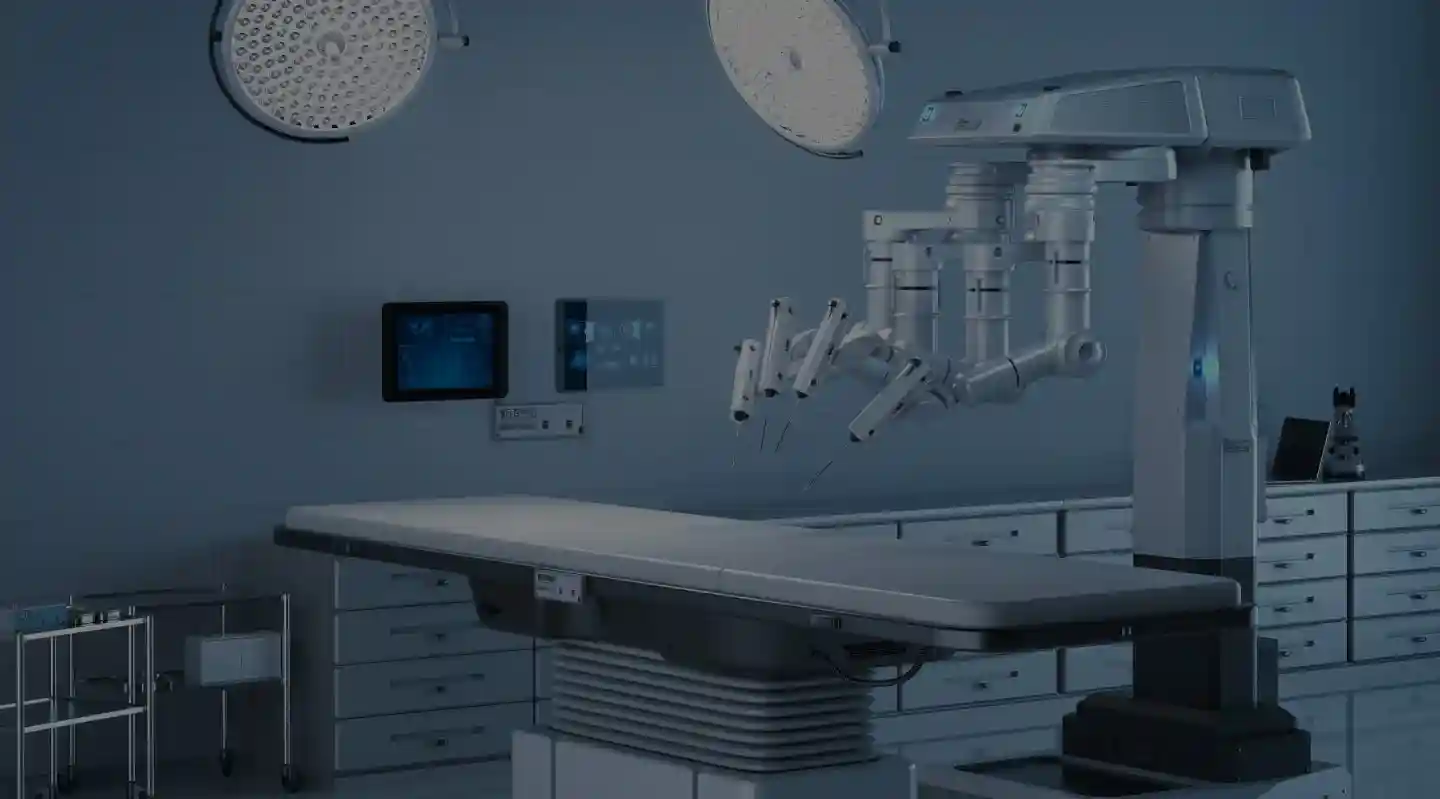
Beyond rankings, video content naturally boosts engagement metrics. View duration, replays, and likes signal quality to both Google and YouTube, reinforcing your authority on niche procedures like robot‑assisted hysterectomy or minimally invasive prostatectomy. Pair this with on‑page best practices—schema markup, embedded video near the top of the page, and a helpful summary—and you’ll see improved time on page and conversion rates.

Finally, video SEO compounds over time. A single evergreen explainer about robotic gallbladder removal can rank for dozens of semantic variants and long‑tail phrases. Include “robotic surgery seo” thoughtfully in your descriptions and metadata, and you’ll align clinical expertise with how patients actually search.
From Operating Room to SERP: Crafting High‑Intent Video Topics
Before you hit record, prioritize topics with demonstrable patient intent. Start with a content inventory mapped to the patient journey:
- Awareness: “What is robot‑assisted surgery?” “Is robotic surgery safe?” Consideration: “Robotic hernia repair vs. laparoscopic,” “How long is recovery after robotic hysterectomy?” Decision: “Best robotic surgeon near me,” “What to ask your robotic prostatectomy specialist”
Layer in LSI keywords and long‑tail variations such as “robot‑guided surgery benefits,” “minimally invasive robotic procedure recovery timeline,” and “da Vinci system surgeon experience.” Pull these from YouTube autosuggest, People Also Ask, and your call‑center FAQs.
Create episodic series anchored in procedure clusters. For example:
- Robotic Hernia Series: candidacy, surgical day walkthrough, pain management, return‑to‑work expectations Pelvic Health Series: robotic hysterectomy, endometriosis excision, fibroid removal options Men’s Health Series: robotic prostatectomy explained, incontinence recovery, sexual function considerations
Each video should solve one problem, promise a clear takeaway, and end with a next step—book a consult, download a pre‑op checklist, or watch the next video in the series. Incorporate “robotic surgery seo” naturally in descriptions to align with broader visibility goals.
Anatomy of a High‑Ranking Surgical Video Page
A winning video page is more than an embed. It’s a structured, patient‑friendly hub that search engines can parse easily.
- Title and H1 alignment: Mirror the video title in the page H1 with a patient‑centric phrase (“Robotic Hernia Repair: Recovery Timeline and Tips”). Descriptive summary: Add a 150–200‑word overview covering key points, using semantically related terms like “robot‑assisted,” “minimally invasive,” and “post‑op milestones.” Transcript and captions: Post a clean transcript below the video. Captions improve accessibility and engagement signals. Transcripts also broaden keyword coverage without stuffing “robotic surgery seo.” Key moments (timestamps): Mark chapters for pre‑op prep, surgical steps, recovery, and follow‑up. Google can pull these as “Suggested clips.” Schema markup: Use VideoObject and MedicalProcedure schema where appropriate. Include duration, upload date, and a compelling thumbnail URL. Internal links: Point to related procedures, surgeon bios, insurance info, and patient resources. Conversion UX: Prominent CTAs—click‑to‑call, appointment request, and a short, trust‑driven form—reduce friction.
Technical hygiene matters, too: fast page speed, lazy‑loading, and an image‑optimized thumbnail. Treat each video page as a high‑intent landing page designed to educate and convert.
Distribution That Delivers: YouTube, Your Site, and Beyond
Publishing to YouTube is table stakes, but distribution should be multi‑channel. Cross‑embed on your site to capture organic traffic and own the conversion path. Pair YouTube with:
- Service pages: Embed the most relevant video at the top third of each procedure page. Blog posts: Expand on FAQs or recovery tips with a video summary at the top. Email sequences: Add short clips to pre‑op and post‑op drip campaigns to boost open and click rates. Social snippets: Share 30–60 second highlights on LinkedIn, Instagram, and Facebook with captions for silent autoplay. Google Business Profile: Upload select videos to improve local visibility and conversion from map views.
On YouTube, optimize playlists by procedure category and intent (e.g., “Robotic Prostatectomy—Patient Journey”). Use keyword‑rich descriptions and tags tied to your region and subspecialty. Add a compelling end screen to guide viewers to related videos or your consultation landing page. Reference “robotic surgery seo” in the channel description as part of your broader content positioning.
Measurement That Matters: Turning Views into Booked Cases
Vanity metrics don’t pay the bills. Attach your video SEO to measurable outcomes:
- Assisted conversions: Track video page sessions that lead to appointment requests within a 30–60 day window. View‑through conversions: Use YouTube and Google Ads integrations to attribute downstream actions to video exposure. High‑intent events: Click‑to‑call, referral downloads, insurance verification form submissions. Engagement indicators: Average view duration, retention at key chapters, and rewatch segments that signal confusion or high interest.
Connect Google Analytics 4 with your CRM or EMR where possible, using UTM parameters for video‑driven traffic. Compare case volume and payer mix before and after launching your video program. Look for lift in non‑brand queries like “robot‑assisted gallbladder removal near me.” If a topic shows high retention but low conversions, refine CTAs; if it drives calls but poor retention, tighten the edit and sharpen the hook.

For continued growth, fold insights into your content backlog. Double down on topics with strong search demand and high appointment rates. Your robotic surgery seo strategy should evolve with patient behavior, not guesswork.
Compliance, Credibility, and Patient Trust in Video
Healthcare video content sits at the intersection of accuracy, ethics, and empathy. Build credibility with:
- Clear disclaimers: Educational, not a substitute for medical advice. Clinician presence: Feature board‑certified surgeons explaining options in plain language. Evidence links: Cite peer‑reviewed sources or reputable medical organizations in the description. Patient privacy: Use consented testimonials; avoid identifiable details in OR footage. Accessibility: Provide captions, transcripts, and readable on‑screen text.
Visual clarity beats jargon. Use overlays to define terms like “robot‑assisted,” “laparoscopic,” and “nerve‑sparing.” Show diagrams rather than live surgical footage unless it’s essential and properly labeled. Trust is also local—spotlight your hospital affiliations, outcomes data where permissible, and what makes your center distinctive (specialized nursing, advanced consoles, enhanced recovery protocols).
These elements don’t just reassure viewers; they bolster E‑E‑A‑T signals that search algorithms increasingly prioritize, benefiting your robotic surgery seo performance.
Production Playbook: Efficient, Scalable Video Workflow
You don’t need a Hollywood crew to win with video SEO—just a repeatable process.
- Pre‑production: Outline 3–5 core talking points, target long‑tail queries, and a single conversion goal. Prepare a short hook for the first 10 seconds. Shoot smarter: Record multiple videos per session. Capture A‑roll with the surgeon, B‑roll of clinic walkthroughs, and asset shots (da Vinci console, robotic arms). Editing essentials: Keep videos 3–8 minutes for most topics. Add branded lower thirds, on‑screen keywords, and chapter markers. Use clean, high‑contrast thumbnails with a face and a benefit statement. Post‑production SEO: Write keyword‑rich titles (“Robotic Hernia Repair Recovery: Timeline, Pain, Activity”), 250–400‑word descriptions, and upload SRT captions. Place “Why Robotic Surgery Practices Should Invest in Video SEO” once in the description when relevant to strategy videos. Repurposing: Convert long videos into shorts, reels, and stories. Transform transcripts into blog posts and FAQs. Create checklists or downloadable guides tied to the video.
With this flywheel, each production day yields weeks of optimized content that supports your robotic surgery seo roadmap and keeps your channel fresh.
FAQ: Why Robotic Surgery Practices Should Invest in Video SEO
Q: How quickly can a practice see patient inquiries from video SEO? A: Many practices see early traction within 60–90 days as videos get indexed and web design for robotic surgery appear in carousels. Significant, compounding results typically emerge in 4–6 months, especially when videos are embedded on high‑intent pages and supported by consistent publishing.
Q: Do we need separate videos for each procedure variant? A: Yes, specificity performs better. Create dedicated videos for variants like inguinal vs. ventral hernia repair or total vs. supracervical hysterectomy. It aligns with long‑tail queries and improves relevance signals.
Q: Will short‑form videos help our robotic surgery seo? A: Short‑form clips are excellent for awareness and cross‑platform reach. Use them to tease key points and drive viewers to fuller YouTube videos or your site, where conversions happen.
Are Patient Testimonials Useful for Video SEO?
Absolutely. Authentic, consented testimonials increase watch time and trust, two factors that correlate with better rankings. Optimize titles for intent (“Robotic Prostatectomy Recovery: John’s 6‑Week Story”), add schema, and place clear CTAs beneath the video.
Local Advantage: Capturing “Near Me” Searches with Video
Local intent dominates elective surgical discovery. Align your videos with geo‑signals to win these searches:
- Title and description: Include city, region, and hospital affiliations where appropriate. Geo‑tagging: Use location metadata on YouTube and your site. Google Business Profile: Add procedure explainers and patient experience clips under the Video and Photo sections. Local backlinks: Share videos with referring PCPs, PT clinics, and community organizations; ask them to embed your content. NAP consistency: Ensure your practice name, address, and phone match across your site, YouTube channel, and directories.
Combine this with review generation workflows—ask satisfied patients to mention video resources they found helpful. Local proof points amplify credibility and support your broader robotic surgery seo goals.
Conclusion
“Why Robotic Surgery Practices Should Invest in Video SEO” boils down to one thing: video turns your surgical expertise into discoverable, trustworthy patient education that ranks and converts. By targeting long‑tail questions, building structured video pages, distributing content across owned and earned channels, and measuring what truly matters, you’ll create a compounding engine for case volume and reputation. Start with a focused series, optimize relentlessly, and let your outcomes—and your videos—do the talking.